Product Description
| OE Code: | 3220A006 | Car Fit: | Used For L200 |
| Color: | Neutral | Material: | / |
| Pcs/Ctn: | 1 Pcs | Carton Size: | 42*10*8CM |
| Certificate: | / | Warranty: | 1Year |
| Packing: | NITOYO/Neutral Packing | Delivery: | Days After Deposit |
| MOQ: | 20Pcs | Payment: | T/T,L/C,D/A,Alibaba Online Payment |
| Customized Services: | Sample Free.When You Confirm The Order,We Will Refund The Sample Charge To You.The Packing Printing,And Mold Opening Of Design All Free Base On 500Pcs. | How To Supply Correct Products: | Rely On Drawings And Oem Standards For Production To Ensure Be Accurate. |
RELATED HOT SALE PRODUCTS
| NAME | OEM | MODEL |
| condenser fan | MN123607 | L200 |
| combine switch | MB571622 | L200 |
| fuel filter assembly | MR45571 | L200 |
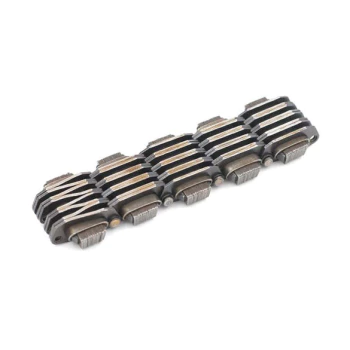
| chain | 3220A006 | L200 |
| control valve | 1460A056 | L200 |
| center bearing | MR580647 | L200 |
| map sensor | MR299300 | L200 |
| speed sensor | MR122305 | L200 |
| crankshaft sensor plate | MD348238 | L200 |
| clutch fork | MD703275 | L200 |
| shift lever | 437004F000 | H100 |
| synchronizer ring | 33384-60091 | 2KD HIACE |
| synchronizer ring | 33037-60050 | 2KD HIACE |
| synchronizer ring | 33037-35030 | 2KD HIACE |
| synchronizer ring | 33368-35050 | 2KD HIACE |
| synchronizer ring | 2526A074 | L200 |
| bearing | 90364-3501 | TOYOTA |
| idle gear | 1358167041 | TOYOTA |
| oil seal | 9571-T0002 | TOYOTA |
| timing cover | 11321-3571 | TOYOTA |
| outlet hose | 1305A143 | L200 |
| fuel filter assembly | MB220900 | L200 |
/* January 22, 2571 19:08:37 */!function(){function s(e,r){var a,o={};try{e&&e.split(“,”).forEach(function(e,t){e&&(a=e.match(/(.*?):(.*)$/))&&1
| Standard or Nonstandard: | Standard |
|---|---|
| Application: | Electric Cars, Car |
| Product Name: | Chain |
| Samples: |
US$ 200/Piece
1 Piece(Min.Order) | Order Sample |
|---|
| Customization: |
Available
| Customized Request |
|---|
.shipping-cost-tm .tm-status-off{background: none;padding:0;color: #1470cc}
|
Shipping Cost:
Estimated freight per unit. |
about shipping cost and estimated delivery time. |
|---|
| Payment Method: |
|
|---|---|
|
Initial Payment Full Payment |
| Currency: | US$ |
|---|
| Return&refunds: | You can apply for a refund up to 30 days after receipt of the products. |
|---|
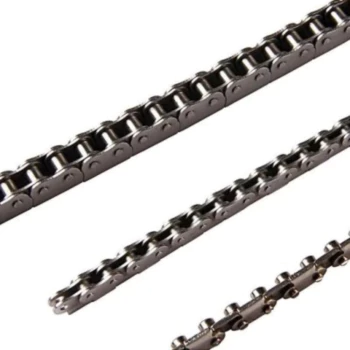
What are the benefits of using a corrosion-resistant coating on a drive chain?
A corrosion-resistant coating provides several benefits when applied to a drive chain. Here is a detailed explanation:
Drive chains used in various applications are often exposed to harsh environments that can lead to corrosion, including moisture, chemicals, contaminants, or high humidity. Applying a corrosion-resistant coating to the chain offers the following advantages:
- Protection against Corrosion: The primary benefit of a corrosion-resistant coating is its ability to protect the chain from corrosive elements. The coating acts as a barrier, preventing moisture, chemicals, and other corrosive agents from reaching the chain’s surface. This helps to inhibit or slow down the corrosion process, extending the chain’s lifespan and reducing the risk of premature failure.
- Enhanced Durability: By adding a corrosion-resistant coating, the drive chain’s durability is significantly improved. The coating helps to prevent rust, oxidation, and degradation, thereby maintaining the chain’s structural integrity and preserving its mechanical properties. This results in a longer service life and reduces the need for frequent chain replacements.
- Reduced Maintenance Requirements: A corrosion-resistant coating reduces the maintenance efforts required to keep the chain in optimal condition. Since the coating provides a protective layer, there is less need for frequent lubrication or cleaning to combat corrosion. This leads to reduced maintenance costs and downtime, contributing to improved operational efficiency.
- Compatibility with Harsh Environments: In applications where the chain is exposed to aggressive chemicals, high humidity, saltwater, or other corrosive substances, a corrosion-resistant coating is essential. The coating ensures the chain’s reliability and performance even in demanding and challenging environments, such as marine, chemical processing, or outdoor applications.
- Promotion of Cleanliness and Hygiene: Some corrosion-resistant coatings are designed to be smooth and easy to clean. This promotes cleanliness and hygiene in applications where cleanliness is critical, such as food processing, pharmaceuticals, or cleanroom environments. The coating prevents the accumulation of contaminants, making the chain easier to clean and maintain compliance with industry regulations.
- Improved Aesthetics: A corrosion-resistant coating can enhance the visual appeal of the chain. It provides a clean and professional appearance, which is particularly important in applications where the chain is visible, such as in architectural designs or decorative installations.
It is important to note that the selection of a suitable corrosion-resistant coating should consider the specific application requirements, environmental conditions, and the compatibility of the coating with the chain material.
Regular inspection and proper maintenance practices, including periodic cleaning and lubrication, are still recommended to ensure the optimal performance and longevity of the drive chain, even with a corrosion-resistant coating.
By using a corrosion-resistant coating on a drive chain, operators can benefit from corrosion protection, enhanced durability, reduced maintenance requirements, compatibility with harsh environments, cleanliness, improved aesthetics, and ultimately, reliable and long-lasting chain performance.
Can a drive chain be used in a power generation system?
Yes, a drive chain can be used in certain types of power generation systems as a method of power transmission. Here is a detailed explanation:
In power generation systems, the purpose is to convert a primary energy source into electrical power. While drive chains are not commonly used in large-scale power generation applications like turbines or generators, they can be employed in specific scenarios, such as:
- Small-Scale Power Generation: In small-scale power generation systems, such as micro-hydropower or wind turbines, drive chains can be utilized to transmit rotational motion from the turbine or rotor to a generator. The chain connects the rotating components, ensuring efficient power transmission.
- Linkage Mechanisms: Drive chains can be used in mechanical linkage mechanisms within power generation systems to transmit motion or force between various components. These mechanisms can be found in applications such as valve control systems, fuel feeders, or governor systems.
- Ancillary Devices: Drive chains may also be employed in ancillary devices within power generation systems, such as tensioners, clutches, or braking mechanisms.
It’s important to note that the selection and application of drive chains in power generation systems require careful consideration of factors such as load, speed, torque, and environmental conditions. Additionally, regular maintenance, including inspection, lubrication, and tension adjustment, is crucial to ensure optimal performance and longevity of the drive chain in these applications.
While drive chains have their applications in power generation systems, it is essential to consult with experts or manufacturers to determine the most suitable and efficient power transmission method for a specific power generation setup.
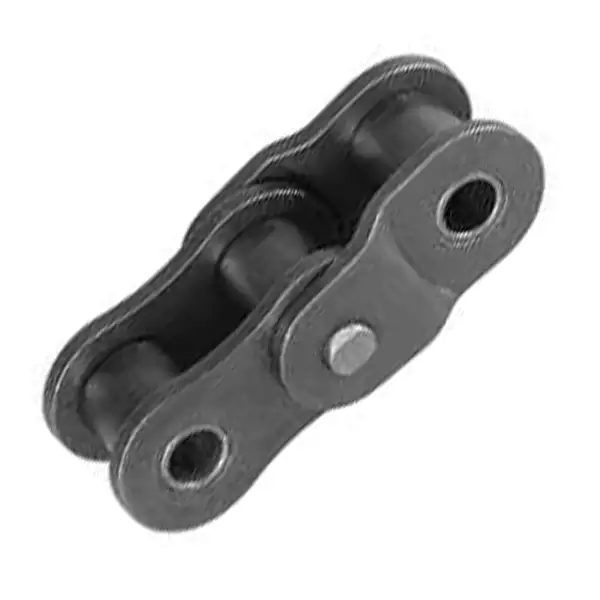
How often should a drive chain be lubricated?
Proper lubrication is essential for maintaining the performance and longevity of a drive chain. However, the frequency of lubrication depends on several factors, such as the application, operating conditions, and the type of lubricant used. Here are some general guidelines:
- 1. Manufacturer’s Recommendations: Always refer to the manufacturer’s recommendations and guidelines for the specific drive chain you are using. They may provide specific instructions regarding lubrication frequency and the type of lubricant to use.
- 2. Operating Conditions: Consider the operating conditions in which the drive chain operates. Factors such as temperature, humidity, dust, and exposure to contaminants can affect the lubrication requirements. In harsh or demanding conditions, more frequent lubrication may be necessary.
- 3. Usage Intensity: The frequency of lubrication can also depend on the intensity of usage. Chains used in high-speed or heavy-duty applications may require more frequent lubrication to maintain optimal performance.
- 4. Visual Inspection: Regularly inspect the drive chain for signs of inadequate lubrication, such as dryness, rust, or excessive wear. If you notice any of these signs, it may indicate the need for more frequent lubrication.
- 5. Lubricant Type: The type of lubricant used can also affect the lubrication frequency. Some lubricants provide longer-lasting protection and require less frequent application, while others may need to be applied more regularly.
In general, it is recommended to lubricate a drive chain at least every few hundred miles or operating hours. However, it is crucial to follow the manufacturer’s recommendations and consider the specific operating conditions to determine the appropriate lubrication frequency for your drive chain.


editor by CX 2024-05-09