Product Description
Transmitting Mechanical Power Automobile CHINAMFG Davidson Duplex Plastic Roller Cleaner Chainsaw Bike Chainsaw Chain Pump Bicycle Bike Drive Chain
Product Description
A bike drive chain is a simple and efficient mechanism used to transfer power from the pedals to the rear wheel of a bicycle. The bike chain consists of a series of interlocking metal links that are designed to mesh with the teeth of the front and rear sprockets. When the pedals are turned, the bike chain rotates around the sprockets, causing the rear wheel to turn and propel the bicycle forward. Here are some key features and benefits of bike drive chains:
1. Durable: Bike drive chains are designed to be durable and long-lasting, withstanding the stresses and strains of regular use. They are made of high-quality metal alloys, such as steel or nickel-plated steel, that are resistant to rust and corrosion.
2. Efficient: Bike drive chains are an efficient means of transferring power from the pedals to the rear wheel of a bicycle. They have low frictional losses, meaning that less energy is lost during the power transfer process, resulting in a more efficient ride.
3. Easy to maintain: Bike drive chains are relatively easy to maintain, requiring regular cleaning and lubrication to keep them in good working order. Proper maintenance allows a bike chain to last for thousands of HangZhous of riding.
4. Versatile: Bike drive chains are available in various sizes and configurations that can be tailored to meet the specific needs of different types of bicycles and riding styles. They can also be easily replaced or upgraded, allowing riders to customize their bikes for optimal performance.
5. Lightweight: Bike drive chains are lightweight, which helps to reduce the overall weight of the bicycle. This can make the bike easier to handle and maneuver, particularly when riding uphill or over rough terrain.
6. Cost-effective: Bike drive chains are a cost-effective component of a bicycle drivetrain. Compared to other drivetrain components such as cassettes or derailleurs, they are relatively inexpensive to replace.
In summary, the bike drive chain is an essential component of a bicycle drivetrain, transferring power from the pedals to the rear wheel to propel the bike forward. Bike chains are durable, efficient, easy to maintain, versatile, lightweight, and cost-effective, making them popular for cyclists of all levels and riding styles.
Model Table of Chain
|
Transmission chain (Driving Chain) |
Short Pitch Precision Roller Chain (A Series)(1,2,3) |
04C-1 06C-1-2-3 085-1-2-3 08A-1-2-3 10A-1-2-3 12A-1-2-3 16A-1-2-3 20A-1-2-3 24A-1-2-3 28A-1-2-3 32A-1-2-3 40A-1-2-3 48A-1-2-3 |
|
-2 35-3 -2 40-3 50 50-2-50-3 60 60-2 60-3 80 80-2 80-3 100 100-2 100-3 120 120-2 120-3 140 140-2 160 160-2 180 200 |
||
|
Short Pitch Precision Roller Chain (B Series)(1,2,3) |
06B-1-2-3 06B-1-2-3 08B-1-2-3 10B-1-2-3 12B-1-2-3 16B-1-2-3 20B-1-2-3 24B-1-2-3 28B-1-2-3 32B-1-2-3 40B-1-2-3 48B-1-2-3 56B-1-2-3 |
|
|
Heavy Duty Series Roller Chain(1,2) |
08AH-1 10AH-1 12AH-1-2-3 16AH-1-2-3 20AH-1-2-3 24AH-1-2-3 28AH-1-2-3 32AH-1-2-3 40AH-1-2-3 |
|
|
Side Bow Chain |
40SB 43SB 50SB 60SB 63SB 80SB 08BSB 08BSBY1 10BSB 12BSB C2050SB |
|
|
Motorcycle Chain |
H 420 420H 428 428H 520 520H 525 525H 530 530H 630 630H |
|
|
Engine Mechanism Chain (Timing Chain) |
CL04 |
|
|
Self-Lubrication Roller Chain |
08BSLR 10BSLR 12BSLR 16BSLR 40SLR 50SLR 60SLR 80SLR |
|
|
Double Pitch Transmission Chain |
208A 208B 210A 210B 212A 212B 216A 216B 220A 220B |
|
|
2100 |
||
|
Bush Chain |
P15F-B P20-B P25-B P25F1-B P30F2-B P36-B P40-B P45-B P50-B P55-B P60-B P70-B P80-B |
|
|
Conveyor Chain |
Roller Chain With Straight Side Plates (A Series) |
C08A-1-2-3 C10A-1-2-3 C12-1-2-3 C24A-1-2-3 C32A-1-2-3 |
|
C35 C40-1-2-3 C50-1-2-3 C80-1-2-3 C100-1-2-3 C120-1-2-3 C140-1-2-3 C160-1-2-3 |
||
|
Roller Chain With Straight Side Plates (B Series) |
C08B-1-2-3 C10B-1-2-3 C12B-1-2-3 C16-1-2-3 C20B-1-2-3 C24B-1-2-3 C28B-1-2-3 C32B-1-2-3 |
|
|
Double Pitch Conveyor Chain |
C208A C208AH C208B C208BL C210A C210AL C212A C212AH C212AHL C216A C216AL C216AH C216AHL C220A C220AL C220AH C220AHL C224A C224AL |
|
|
C2050 C2052 C2060 C2062 C2060H C2080 C2080H C2082 C2082H C2100 C2100H C2102 C2102H C2120 C2120H C2122 C2122H C2160 C2160H C2162 |
||
|
Double Pius Speed Chain |
BS25-C206B BS25-C208A BS25-C210A BS25-C212A BS30-C206B BS30-C208B BS30-C210B BS30-C212B |
|
|
Conveyor Chain (M Series) |
M20 M28 M40 M56 M80 |
|
|
Hollow Pin Conveyor Chain (MC Series) |
MC28 MC56 MC112 MC224 |
|
|
Conveyor Chain (FV Series) |
FV40 FV63 FV90 FV112 FV140 |
|
|
Conveyor Chain (FVT Series) |
FVT40 FVT63 FVT90 FVT112 FVT140 FVT180 FVT250 FVT315 |
|
|
Hollow Pin Conveyor Chain (FVC Series) |
FVC63 FVC90 FVC112 FVC140 FVC180 FVC250 FVC315 |
|
|
Conveyor Chain (Z Series) |
Z40 Z100 Z160 Z300 |
|
|
Conveyor Chain (ZE Series) |
ZE40 ZE100 ZE160 ZE300 |
|
|
Hollow Pin Conveyor Chain (ZC Series) |
ZC21 ZC40 ZC60 ZC150 ZC300 |
|
|
Hollow Pin Chains |
08BHPF 08BHPF5 08BHP9 10BHPF3 10BHPF4 12BHPF2 12BHPF3 16BHPF3 16BHPF4 40HP 08BHPF7 08BHP 50HP 50HPF4 50H-HP 60HP 60HPF1 80HP |
|
|
Welded type cranked link chains |
WR78 WH78 WR82 WH82 WR106 WH106 WR110 WH110 WR111 WH111 WR124 WH124 WR132 WH132 WR150 WH150 WR155 WH155 WR157 WH157 WR78F5 WH78F4 |
|
|
Palm oil Chains |
P101.6F2 P152F14 P152F17 P152F29 90R-S P101.6F64 P76.7 P152F31 |
|
|
Sugar mill chains |
DH9063 DH2198 P152F93K2 P152F78K2 DH 0571 0 DH1796 P152F77-AS2 P203.2F9 |
|
|
Rubber gloves carrier chains |
P100F155 P100F13 P100F139 P150/90 |
|
|
Lumber conveyor chains |
81X 81XH 81XHE 81XHH 81XHS 500R 441.100R |
|
|
Sharp top chains |
08AF34 08BF21 10AF8 41F6 06BF1 06BF37 08AF41 08BF44 08AF8… |
|
|
Stainless Steel Chain |
Stainless Steel Short Pitch Precision Roller Chain(A Series) |
25SS-1 35SS-1 41SS-1 40SS-1 50SS-1 60SS-1 80SS-1 100SS-1 120SS-1 |
|
Stainless Steel Short Pitch Precision Roller Chain(B Series) |
05BSS-1 06BSS-1 08BSS-1 10BSS-1 12BSS-1 16BSS-1 20BSS-1 24BSS-1 |
|
|
Stainless Steel Roller Chain With Straight Side Plates |
C40SS-1 C50SS-1 C60SS-1 C80SS-1 C100SS-1 C120SS-1 C08BSS-1 C10BSS-1 C12BSS-1 C16BSS-1 C20BSS-1 C24BSS-1 |
|
|
Stainless Steel Double Pitch Transmission Chain |
2040SS 2050SS 2060SS 2080SS 2100SS 2120SS 208BSS 210BSS 212BSS 216BSS 220BSS 224BSS |
|
|
Stainless Steel Double Pitch Conveyor Chain |
C2040SS C2040HSS C208BSS C2050SS C2060SS C2060HSS C2080SS C2080HSS C2100SS C2100HSS C2120SS C2120HSS |
|
|
Stainless Steel Hollow Pin Chain |
08BHFSS 40HPSS 50HPSS 60HPSS 12BHPSS 80HPSS C2040HPSS C2050HPSS C2060HPSS C2080HPSS HB50.8SS |
|
|
Stainless Steel Double Pitch Hollow Pin Chain |
C2042HPSS C2052HPSS C2062HPSS C2082HPSS C2042H-HPSS C2052H-HPSS C2062H-HPSS C2082H-HPSS |
|
|
Lifting Chain |
Car Parking Chain |
12AT-1 16AT-1-2 20AT-1-2-3 24AT-1-2 |
|
Leaf Chain |
LH0822 LH0823 LH571 LH0844 LH0846 LH 0571 LH1571 LH1571 LH1034 LH1044 LH1046 LH1066 LH1088 LH1222 LH1223 LH1234 LH1244 LH1246 |
|
|
BL422 BL423 BL434 BL444 BL446 BL466 BL488 BL522 BL523 BL534 BL544 BL546 BL566 BL588 BL622 BL623 BL634 BL644 BL646 BL666 BL688 |
||
|
Multile Plate Bearing Pin Chain |
LF30 MP50F2 MP50.8 MP70F1 MP70F2 MP70F3 MP80F1 MP90F1 MP90F2 MP110F1 |
|
|
Rollerless Lift Chain |
45-1 55-1 65-1 85-1 105-1 125-1 145-1 165-1 |
|
|
Agricultural Chain |
S Type Steel Agricultural Chain & Attachments |
S32 S42 S45 S52 S55 S62 S77 S88 A550 A620 |
|
C Type Steel Agricultural Chain with Attachments |
CA550 CA550/S55 CA555 CA550HD CA550V CA557 CA620 CA2801 38.1R 38.4R 38.4V 38.4VB |
|
|
Rice Harvester Chain |
S3558T-48001 S3558T-48002 |
|
|
Drop Forged Chain Series |
Drop Forged Rivetless Chain |
Imperial: 80H X348 X458 468H X658 X 9118 S348 S458 S678 S698 S9118, Metric system: XT100 XT160 |
|
Cast Detachable Chain |
78 |
|
|
Steel Detachable Chain |
W |
|
|
Cast Iron Chain |
Cast Iron Chain (C Series) |
C55 C55L C77 C188 C188L C102B C111 C131 C132 |
|
Cast Iron Chain (H Series) |
H60 H78 H82 H110 |
|
|
Cast Iron Chain (4 Series) |
720 720S 730 |
|
|
Cast Iron Chain BRH188 |
BRH188 C188CP C102B-K2 C55A C55B C55D CC600 H78A H78B H130 H138 MCF29 907-E51 |
|
|
Welded chains |
WR78 WH78 WR82 WH82 WR124 WH124 |
|
|
Forging Hanging Chain |
X228 X348 X458 X678 698 |
/* January 22, 2571 19:08:37 */!function(){function s(e,r){var a,o={};try{e&&e.split(“,”).forEach(function(e,t){e&&(a=e.match(/(.*?):(.*)$/))&&1
| Usage: | Transmission Chain, Drag Chain, Conveyor Chain, Dedicated Special Chain |
|---|---|
| Material: | Iron |
| Surface Treatment: | Oil Blooming |
| Feature: | Oil Resistant |
| Chain Size: | 1/2"*3/32" |
| Structure: | Roller Chain |
| Samples: |
US$ 9999/Piece
1 Piece(Min.Order) | |
|---|
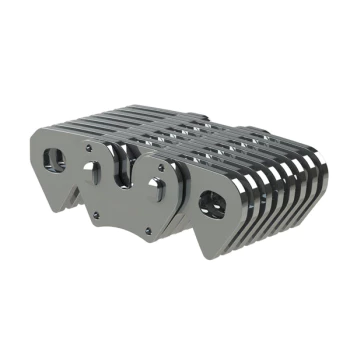
Can a drive chain be used in a HVAC or ventilation system?
Yes, a drive chain can be used in HVAC (Heating, Ventilation, and Air Conditioning) or ventilation systems where reliable and efficient power transmission is required. Here is a detailed explanation:
HVAC and ventilation systems utilize various components such as fans, blowers, dampers, and louvers to control air flow, temperature, and humidity in residential, commercial, and industrial buildings. Drive chains offer several advantages in these applications:
- Reliable Power Transmission: Drive chains provide reliable power transmission for HVAC and ventilation systems. They are capable of transmitting power over long distances, accommodating various speeds and torque requirements, and operating in different directions of rotation.
- Flexible System Design: Drive chains offer flexibility in system design and layout. They can be easily configured to connect and drive multiple components, such as fans, motors, and dampers, allowing for efficient control and adjustment of air flow and system performance.
- Accurate Speed Control: Drive chains allow for precise speed control in HVAC systems. By using sprockets of different sizes or incorporating variable speed drives, the rotational speed of fans or blowers can be adjusted to achieve the desired air flow rates and maintain optimal environmental conditions.
- High Load Capacity: HVAC and ventilation systems often require components to handle significant air volumes and pressure differentials. Drive chains are designed to handle high loads and transmit power effectively, ensuring reliable operation of fans, blowers, and other equipment.
- Durability and Longevity: Drive chains are engineered to withstand the demanding conditions of HVAC and ventilation systems. They are designed to resist wear, corrosion, and fatigue, ensuring durability and long service life even in continuous or high-cycle operations.
- Quiet Operation: Drive chains, when properly lubricated and maintained, can operate quietly in HVAC systems, minimizing noise and vibration levels. This is crucial for maintaining a comfortable and noise-free environment in residential, commercial, or institutional settings.
When selecting a drive chain for HVAC or ventilation applications, factors such as load capacity, speed requirements, environmental conditions (such as temperature and humidity), and maintenance considerations should be taken into account.
Regular inspection, lubrication, and tension adjustment are important for ensuring the optimal performance and longevity of the drive chain in HVAC and ventilation systems.
By utilizing drive chains in HVAC and ventilation systems, operators can benefit from reliable power transmission, flexible system design, accurate speed control, high load capacity, durability, longevity, and quiet operation, contributing to efficient and effective air conditioning and ventilation in various building environments.
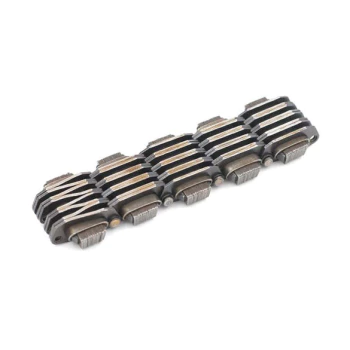
Can a drive chain be used in a woodworking or sawmill application?
Yes, a drive chain can be used in woodworking and sawmill applications, where reliable power transmission and durability are essential. Here is a detailed explanation:
In woodworking and sawmill operations, machinery and equipment such as saws, planers, jointers, and conveyors are commonly used. Drive chains offer several advantages in these applications:
- High Load Capacity: Drive chains are known for their high load-carrying capacity, making them suitable for heavy-duty applications commonly found in woodworking and sawmill operations. They can handle the significant forces and loads associated with cutting, shaping, and moving timber and lumber.
- Durability and Reliability: Woodworking and sawmill environments can be demanding, with conditions such as sawdust, vibrations, impacts, and variable operating temperatures. Drive chains are designed to withstand these harsh conditions and provide reliable and durable power transmission even in rugged and demanding operating environments.
- Precise Power Transmission: Drive chains offer precise power transmission, ensuring accurate and synchronized movement of the machinery components involved in woodworking and sawmill operations. This allows for consistent and reliable cutting, shaping, and material handling processes.
- Customization Options: Drive chains can be customized to suit specific woodworking and sawmill applications. They are available in various sizes, pitches, and materials to accommodate different loads, speeds, and environmental conditions.
- Compatibility with Auxiliary Components: Drive chains can be easily integrated with auxiliary components commonly used in woodworking and sawmill machinery, such as tensioners, guides, sprockets, and bearings. This allows for efficient and reliable power transmission throughout the entire system.
- Cost-Effectiveness: Drive chains offer a cost-effective solution for power transmission in woodworking and sawmill operations. They have a long service life, reduced maintenance requirements, and lower replacement costs compared to some alternative power transmission systems.
It is important to consider the specific requirements of the woodworking or sawmill application when selecting a drive chain. Factors such as load capacity, speed, environmental conditions, and maintenance considerations should be taken into account.
Regular maintenance, including inspection, lubrication, and tension adjustment, is crucial to ensure optimal performance and longevity of the drive chain in woodworking and sawmill applications.
By utilizing drive chains in woodworking and sawmill operations, operators can benefit from reliable power transmission, durability, and the ability to withstand the challenging conditions encountered in these industries, ultimately contributing to efficient and precise woodworking and lumber processing.
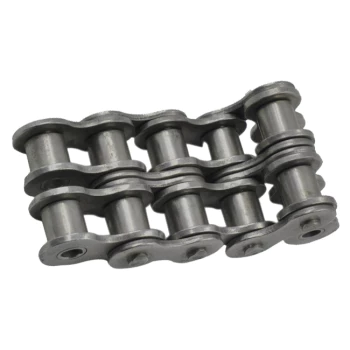
How does a drive chain differ from a timing belt?
A drive chain and a timing belt are both components used in power transmission, but they differ in their construction, operation, and application. Here are the key differences between a drive chain and a timing belt:
- Construction: A drive chain consists of interconnected links or rollers, typically made of steel, that form a flexible mechanism. In contrast, a timing belt is a toothed belt made of a reinforced rubber material with teeth on the inner surface.
- Power Transmission: Drive chains are commonly used for transmitting power in applications where flexibility and high-load capacity are required, such as in vehicles, machinery, and industrial equipment. Timing belts, on the other hand, are primarily used for precise synchronization of engine components, such as camshafts and crankshafts, in internal combustion engines.
- Motion and Operation: Drive chains transfer power through rotational motion. The engagement of the chain links with sprockets allows for the transfer of rotational force. Timing belts, on the other hand, rely on the meshing of teeth on the belt with grooves or pulleys to ensure precise timing and synchronization of the engine’s internal components.
- Maintenance and Tension: Drive chains require periodic lubrication and tension adjustment to ensure proper operation and minimize wear. Timing belts, on the other hand, are typically maintenance-free and do not require lubrication or frequent tension adjustments.
- Noise and Vibration: Drive chains, especially roller chains, can generate more noise and vibration during operation compared to timing belts, which are designed to operate with reduced noise and vibration.
- Replacement: In case of damage or wear, drive chains can be repaired by replacing individual links or sections. Timing belts, on the other hand, usually require complete replacement as they are not easily repairable.
Ultimately, the choice between a drive chain and a timing belt depends on the specific application requirements, such as the need for power transmission, precision timing, load capacity, maintenance preferences, and operational conditions.


editor by CX 2024-04-19