Product Description
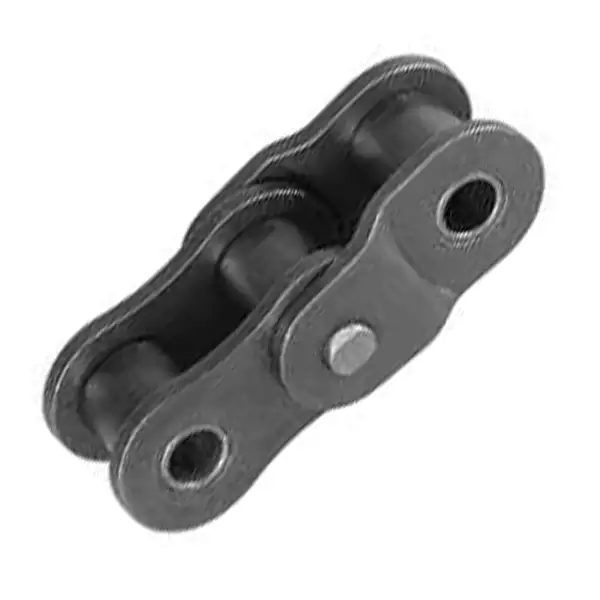
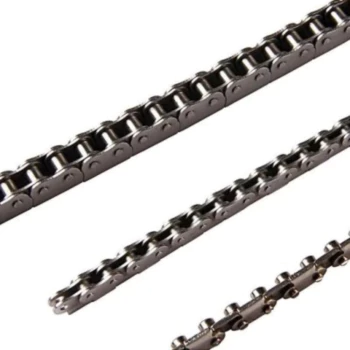
lube-free long life durable drive farms stainless steel drive chain standard iron easy installation conveyor lift roller chain motorcycle
| Usage: | Transmission Chain, Drag Chain, Conveyor Chain, Dedicated Special Chain |
|---|---|
| Material: | Stainless steel |
| Surface Treatment: | Oil Blooming |
| Feature: | Oil Resistant |
| Chain Size: | 1/2"*3/32" |
| Structure: | Roller Chain |
| Samples: |
US$ 9999/Piece
1 Piece(Min.Order) | |
|---|
How does the alignment of sprockets affect the performance of a drive chain?
The alignment of sprockets is critical for ensuring the optimal performance and longevity of a drive chain. Here is a detailed explanation:
The alignment of sprockets directly affects the following aspects of a drive chain’s performance:
- Smooth Power Transmission: Proper alignment of sprockets ensures the smooth engagement and disengagement of the chain with the sprocket teeth. When the sprockets are aligned correctly, the chain articulates smoothly, minimizing friction, wear, and noise. This promotes efficient power transmission and prevents premature chain failure.
- Reduced Wear and Elongation: Misaligned sprockets can cause uneven loading on the chain, leading to accelerated wear and elongation. When the sprockets are aligned, the chain experiences equal forces on all links, resulting in more uniform wear distribution and reducing the risk of chain elongation. Proper alignment helps maintain the chain’s pitch and overall length, ensuring consistent power transmission and extending the chain’s service life.
- Minimized Side Loads: Misaligned sprockets can create side loads on the chain, causing it to run at an angle or contact the side plates excessively. This leads to increased friction, wear, and stress on the chain components. Proper alignment reduces these side loads, allowing the chain to run smoothly and minimizing unnecessary wear and stress on the chain’s components.
- Prevention of Chain Skipping or Jumping: Misaligned sprockets can cause the chain to skip or jump teeth, resulting in loss of power transmission, erratic operation, and potential damage to the chain and sprockets. Proper alignment ensures that the chain remains engaged with the sprocket teeth, preventing any skipping or jumping and ensuring reliable power transmission.
- Optimal Tension Distribution: Properly aligned sprockets contribute to the even distribution of chain tension. When the sprockets are aligned, the tension is evenly distributed along the chain, reducing the risk of localized stress points and chain elongation. This helps maintain consistent tension, improves power transmission efficiency, and extends the life of the chain and sprockets.
To achieve proper sprocket alignment, it is important to ensure that the sprockets are mounted securely, aligned parallel to each other, and positioned at the correct distance apart. Additionally, the sprockets should have the appropriate tooth profile and pitch diameter to match the chain’s specifications.
Regular inspection and maintenance are essential to verify and maintain sprocket alignment. This includes checking for signs of wear, damage, or misalignment, as well as periodically adjusting the tension and lubricating the chain as needed.
By ensuring the proper alignment of sprockets, operators can achieve smooth power transmission, reduced wear, minimized side loads, prevention of chain skipping, and optimal tension distribution. This ultimately improves the performance, efficiency, and reliability of the drive chain system.
Can a drive chain be used in a power generation system?
Yes, a drive chain can be used in certain types of power generation systems as a method of power transmission. Here is a detailed explanation:
In power generation systems, the purpose is to convert a primary energy source into electrical power. While drive chains are not commonly used in large-scale power generation applications like turbines or generators, they can be employed in specific scenarios, such as:
- Small-Scale Power Generation: In small-scale power generation systems, such as micro-hydropower or wind turbines, drive chains can be utilized to transmit rotational motion from the turbine or rotor to a generator. The chain connects the rotating components, ensuring efficient power transmission.
- Linkage Mechanisms: Drive chains can be used in mechanical linkage mechanisms within power generation systems to transmit motion or force between various components. These mechanisms can be found in applications such as valve control systems, fuel feeders, or governor systems.
- Ancillary Devices: Drive chains may also be employed in ancillary devices within power generation systems, such as tensioners, clutches, or braking mechanisms.
It’s important to note that the selection and application of drive chains in power generation systems require careful consideration of factors such as load, speed, torque, and environmental conditions. Additionally, regular maintenance, including inspection, lubrication, and tension adjustment, is crucial to ensure optimal performance and longevity of the drive chain in these applications.
While drive chains have their applications in power generation systems, it is essential to consult with experts or manufacturers to determine the most suitable and efficient power transmission method for a specific power generation setup.
What are the different types of drive chains?
Drive chains come in various types, each designed for specific applications and operating conditions. Here are some common types of drive chains:
- Roller Chains: Roller chains are the most common type of drive chain. They consist of cylindrical rollers that are held together by inner and outer plates. Roller chains are widely used in motorcycles, bicycles, industrial machinery, and automotive systems.
- Double Pitch Chains: Double pitch chains have longer pitches, meaning the distance between each roller is greater compared to standard roller chains. They are often used in applications that require slower speeds and lighter loads.
- Leaf Chains: Leaf chains consist of interleaved metal plates connected by pins. They are known for their high tensile strength and are commonly used in forklifts, hoists, and other heavy-duty lifting equipment.
- Silent Chains: Silent chains, also known as inverted-tooth chains, have tooth-shaped plates that engage with sprockets. They are called “silent” chains because they operate with reduced noise and vibration compared to roller chains. Silent chains are used in timing drives and applications that require high-speed and high-torque transmission.
- Engineered Chains: Engineered chains are designed for specific industries or applications that require specialized properties, such as corrosion resistance, high temperature tolerance, or self-lubrication. Examples include drive chains, plastic chains, and self-lubricating chains.
Each type of drive chain has its own advantages and considerations, and the choice depends on factors such as the application requirements, load capacity, speed, environmental conditions, and maintenance needs.


editor by CX 2023-11-30