Product Description
Detailed Photos
Product Description
An overhead conveyor is a type of conveyor system that is installed above the working area, typically in a manufacturing or industrial setting. It is used to move products, materials, or components from 1 point to another in a factory or warehouse, and is particularly useful for transporting heavy or bulky items that are difficult to move manually.
Overhead conveyors are commonly used in a variety of applications, such as automotive assembly lines, food and beverage processing, material handling and distribution, and storage and retrieval systems. They can be used for both horizontal and vertical transportation and can move products along a fixed path or in a continuous loop.
Some specific uses of overhead conveyors include:
-
Assembly line transportation: Overhead conveyors are commonly used in manufacturing assembly lines to transport parts and components to different workstations along the line.
-
Powder coating: Overhead conveyors are used in powder coating operations to move products through a paint booth, where they are coated with a dry powder before being cured in an oven.
| Spare parts item | Features | Photo |
| Up-Down track | for rising or falling areas. standard diameter is 1.2 meters,180º angle. it can be cut based on any necessary angles of any install conditions.the angle should not be more than 45º angle. the distance between 2 adjiacent hangers should be considered. | |
| Check track | There is a hatch which can open the track, through the hatch, worker can dismantle or install, check or maintain the conveying chains. Driving device for each conveying route is usually located between driver and take-up device for easy checking and maintenace. | |
| Take-up device
(Tensioner) |
Keep the chains in the state of original tension and compensate for the tensile deformation caused by tensile force or telescopic deformaton caused by varied temperature while working. Make sure certain tensile force between driver and take-up device. Install it behind driver about distance 3~6 meters. Better have no up-down track behind take-up device. |
|
| Straight track | for where conveyor chain go straight. it can be cut according to the specific install condition. standard length is 3 meters. | |
| Caterpiller driver device | Two types-Standard type and heavy duty type. The driving device adjust the momentum that the motor ouput, after speed reduction unit increase its power which is to be passed to the driver caterpiller, the pusher dogs on which transport the chain so that chain can move forward. |
|
| Hanger | Several types hangers: Cross type hanger; Y type hanger; I type hanger; Sprocket wheel hanger; U-type hanger; Bearing hanger; Customized. |
|
| Automatic oil sprayer | Specially designed for various automatic conveying chain;
More convenient to check oil-feeding diyusyion nsdrf CHINAMFG oil volume in the transparent oil pipes. |
FAQ
Q1: Are you trading company or manufacturer ?
A: We are factory.
Q2: How long is your delivery time and shipment?
1.Sample Lead-times: generally 30 workdays.
2.Production Lead-times: 60 workdays after getting your deposit.
Q3. What is your terms of payment?
A: T/T 30% as deposit, and 70% before delivery.
We’ll show you the photos of the products and packages before you pay the balance.
Q4: What is your advantages?
1. Manufacturer,the most competitive price and good quality.
2. Perfect technical engineers give you the best support.
3. OEM is available.
4. Rich stock and quick delivery.
Q5. If you can’t find the product on our website,what do you next?
Please send us inquiry with product pictures and drawings by email or other ways and we’ll check
/* January 22, 2571 19:08:37 */!function(){function s(e,r){var a,o={};try{e&&e.split(“,”).forEach(function(e,t){e&&(a=e.match(/(.*?):(.*)$/))&&1
| Material: | Alloy |
|---|---|
| Structure: | Roller Chain |
| Surface Treatment: | Polishing |
| Customization: |
Available
| Customized Request |
|---|
.shipping-cost-tm .tm-status-off{background: none;padding:0;color: #1470cc}
|
Shipping Cost:
Estimated freight per unit. |
about shipping cost and estimated delivery time. |
|---|
| Payment Method: |
|
|---|---|
|
Initial Payment Full Payment |
| Currency: | US$ |
|---|
| Return&refunds: | You can apply for a refund up to 30 days after receipt of the products. |
|---|
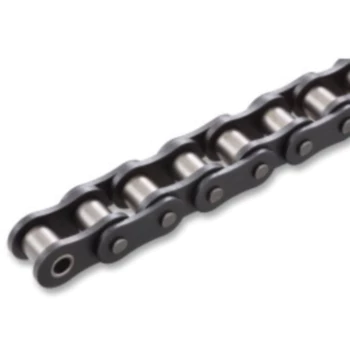
Can a drive chain be used in a conveyor oven or industrial baking application?
Yes, a drive chain can be used in a conveyor oven or industrial baking application where reliable and efficient power transmission is required. Here is a detailed explanation:
In conveyor ovens and industrial baking applications, a conveyor system is used to transport products through the baking or cooking process. Drive chains offer several advantages in these applications:
- High Temperature Resistance: Conveyor ovens and industrial baking processes often involve high temperatures. Drive chains can be selected or specially designed with materials that can withstand the elevated temperatures encountered in these applications. Heat-resistant materials, such as stainless steel or special alloys, ensure reliable chain operation and prevent chain failure due to excessive heat.
- Smooth and Continuous Operation: Drive chains provide smooth and continuous power transmission in conveyor systems, ensuring consistent movement of products through the baking or cooking process. The interlocking design of the chain and sprockets allows for precise product positioning and control.
- Load Capacity: Conveyor ovens and industrial baking applications may involve heavy loads and products with varying weights. Drive chains are designed to handle high load capacities, ensuring reliable power transmission and efficient movement of products along the conveyor system.
- Durability and Wear Resistance: Drive chains used in conveyor ovens and industrial baking applications are built to withstand the demanding conditions of continuous operation. They are designed with materials and coatings that provide durability, wear resistance, and protection against corrosion or food contamination.
- Easy Maintenance: Conveyor systems require regular maintenance to ensure optimal performance and prevent downtime. Drive chains offer ease of maintenance, with features such as removable links or easy access to chain components for inspection, lubrication, and tension adjustment. This facilitates quick and efficient maintenance routines, minimizing production interruptions.
When selecting a drive chain for a conveyor oven or industrial baking application, factors such as temperature resistance, load capacity, speed requirements, and compatibility with food or baking regulations should be considered.
Regular inspection, lubrication, and tension adjustment are crucial for maintaining the performance and longevity of the drive chain in conveyor oven or industrial baking applications. These maintenance practices help prevent chain elongation, excessive wear, and potential chain failure.
By utilizing drive chains in conveyor ovens and industrial baking applications, operators can benefit from high temperature resistance, smooth operation, high load capacity, durability, and easy maintenance, contributing to efficient and reliable baking processes and product throughput.
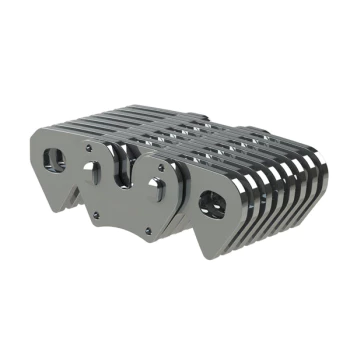
Can a drive chain be used in heavy-duty industrial applications?
Yes, drive chains are commonly used in heavy-duty industrial applications due to their ability to handle high loads, endure harsh environments, and provide reliable power transmission. Here is a detailed explanation:
In heavy-duty industrial applications, where large machinery and equipment are involved, drive chains offer several advantages:
- Load Capacity: Drive chains are designed to handle heavy loads, making them suitable for industrial applications that require the transmission of substantial power and torque.
- Durability: Drive chains are known for their durability and ability to withstand demanding conditions. They are designed to resist wear, fatigue, and shock loads, providing reliable performance over extended periods.
- Harsh Environment Resistance: Industrial environments can expose machinery to extreme temperatures, dust, dirt, moisture, and chemicals. Drive chains are designed to withstand these harsh conditions, ensuring reliable operation and minimizing the risk of failure.
- Flexibility and Adaptability: Drive chains offer flexibility in terms of design and customization. They can be adapted to various industrial applications, including conveyors, heavy machinery, material handling systems, and more.
- Cost-Effective Solution: Drive chains are generally cost-effective compared to other power transmission systems. They provide reliable performance at a competitive price point, making them a preferred choice for heavy-duty industrial applications.
It is important to select the appropriate drive chain type, size, and material for the specific heavy-duty industrial application. Additionally, proper maintenance, including regular inspection, lubrication, and tension adjustment, is essential to ensure optimal performance and longevity of the drive chain in heavy-duty industrial environments.
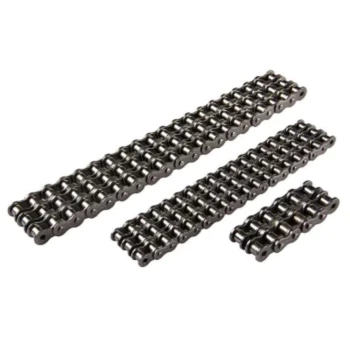
What are the noise and vibration levels associated with a drive chain?
The noise and vibration levels associated with a drive chain can vary depending on several factors, including the type of chain, operating conditions, and maintenance practices. Here’s an explanation:
Noise Levels:
- Drive chains, especially roller chains, can generate noise during operation. The noise level depends on various factors, such as the chain’s design, speed, tension, lubrication, and the condition of the sprockets.
- Proper lubrication helps reduce friction and noise generation, while inadequate or dry lubrication can increase noise levels.
- Other factors, such as misalignment, worn-out components, or loose fittings, can contribute to increased noise levels. Regular inspections and maintenance help identify and address sources of excessive noise.
Vibration Levels:
- Drive chains can produce vibrations during operation, especially if there are issues such as misalignment, improper tension, or worn-out components.
- Proper tensioning, alignment, and maintenance practices help minimize vibrations and ensure smooth operation.
- Excessive vibrations can lead to accelerated wear, reduced chain life, and potential damage to other components.
It’s worth noting that advancements in chain design and manufacturing techniques have resulted in quieter and smoother-running chains. Manufacturers may also offer specialized low-noise or low-vibration chains for applications where noise or vibration reduction is a priority.
To maintain acceptable noise and vibration levels associated with a drive chain, it is important to follow proper maintenance practices, including regular lubrication, tension adjustment, and alignment checks. Additionally, addressing any sources of excessive noise or vibration promptly can help ensure the smooth and efficient operation of the drive chain.


editor by CX 2024-04-17