Product Description
sprockets drive single row motorcycle stainless steel roller chain manufacturer factory
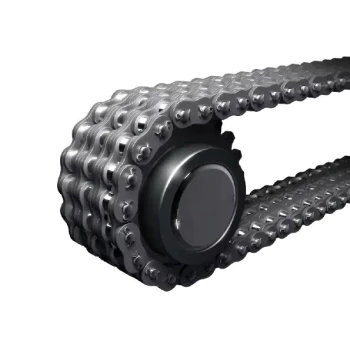
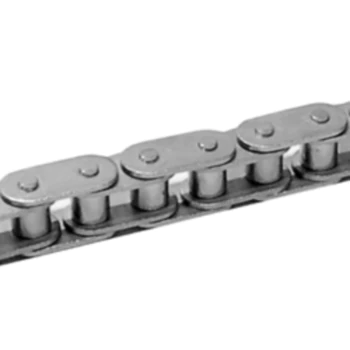
A roller chain is a type of chain commonly used in various industrial and mechanical applications for power transmission. Roller chains consist of a series of linked plates that are connected by pins and rollers, which engage with sprockets to transmit power between 2 rotating shafts.
The links of a roller chain are typically made of hardened steel or other durable materials, and the rollers are designed to reduce friction and wear between the chain and sprockets. Roller chains are available in various sizes and configurations to meet the specific needs of different applications.
One advantage of roller chains is their ability to transmit high torque and power with relatively low noise and vibration. They can also operate at high speeds and in various temperatures and operating conditions.
Proper selection and installation of roller chains is essential to ensure their efficient operation and optimal performance. Careful consideration should be given to the application’s specific requirements, such as the torque and power requirements, operating speed, and environmental conditions.
Regular inspection and maintenance of the roller chain is also essential to ensure its longevity and efficiency. The chain should be regularly inspected for wear and damage, and the lubrication should be checked and replenished according to the manufacturer’s recommendations to ensure smooth and reliable operation.
In addition, the chain should be adequately tensioned and aligned with the sprockets to prevent excessive wear and damage, and the sprockets should be regularly inspected for wear and damage to ensure proper engagement with the chain. Adequate filtration and fluid cleanliness are also important to prevent contamination and wear on the chain and other components.
We also provide sprockets.
/* January 22, 2571 19:08:37 */!function(){function s(e,r){var a,o={};try{e&&e.split(“,”).forEach(function(e,t){e&&(a=e.match(/(.*?):(.*)$/))&&1
| Usage: | Transmission Chain, Drag Chain, Conveyor Chain, Dedicated Special Chain |
|---|---|
| Material: | Iron |
| Surface Treatment: | Oil Blooming |
| Feature: | Oil Resistant |
| Chain Size: | 1/2"*3/32" |
| Structure: | Roller Chain |
| Samples: |
US$ 9999/Piece
1 Piece(Min.Order) | |
|---|
How does the material hardness of a drive chain affect its durability?
The material hardness of a drive chain plays a significant role in determining its durability and resistance to wear. Here is a detailed explanation:
Material hardness refers to the ability of a material to resist indentation, abrasion, and penetration by external forces. In the context of drive chains, the hardness of the chain’s components, such as pins, bushings, and rollers, directly affects the chain’s durability and lifespan.
When it comes to drive chain durability, the following factors come into play:
- Resistance to Wear: A higher material hardness typically results in better resistance to wear. Drive chains with harder materials can withstand the friction and contact forces encountered during operation, minimizing the wear on critical components. This translates to extended chain life and reduced maintenance requirements.
- Impact Resistance: The material hardness of a drive chain also affects its ability to resist impact forces. Chains operating in environments with frequent impacts or shock loads, such as in mining or heavy-duty applications, require high hardness materials to withstand the sudden stresses without deformation or failure.
- Resistance to Deformation: Harder materials exhibit greater resistance to deformation under load. This is particularly important in drive chains where precise interlocking of chain components is necessary for efficient power transmission. Chains with higher material hardness maintain their shape and dimensional integrity, ensuring consistent performance and minimizing the risk of chain elongation or misalignment.
- Corrosion Resistance: While material hardness primarily affects wear resistance, it can indirectly impact the chain’s resistance to corrosion. Certain high-hardness materials, such as stainless steel or specific alloys, offer improved corrosion resistance compared to softer materials. This is especially relevant in applications where the chain is exposed to corrosive environments, such as marine or chemical industries.
It is important to note that while higher hardness generally leads to improved durability, excessive hardness can also result in brittleness and reduced impact resistance. Therefore, a balance must be struck between hardness and other mechanical properties to ensure optimal performance and durability of the drive chain.
Manufacturers typically specify the appropriate hardness level for drive chain components based on the specific application requirements. These specifications take into account factors such as load capacity, operating conditions, anticipated wear rates, and desired service life.
Regular maintenance practices, such as proper lubrication, periodic inspection, and tension adjustment, are essential for maximizing the durability and performance of the drive chain, regardless of its material hardness.
By selecting a drive chain with the appropriate material hardness and implementing proper maintenance practices, operators can ensure optimal durability, extended chain life, and reliable power transmission in various industrial applications.
How does a drive chain handle shock loads and sudden changes in torque?
A drive chain is designed to handle shock loads and sudden changes in torque to ensure reliable power transmission. Here is a detailed explanation:
Drive chains are built to withstand varying operating conditions and handle dynamic forces effectively. When subjected to shock loads or sudden changes in torque, several factors contribute to the chain’s ability to handle these situations:
- Chain Strength: Drive chains are designed to have high tensile strength and load-carrying capacity. This enables them to withstand sudden increases in torque or shock loads without experiencing failure or elongation.
- Material and Construction: The material and construction of the chain play a crucial role in its ability to handle shock loads. Chains made from high-quality alloy steels or specialty materials are capable of absorbing and distributing the forces generated during sudden torque changes or shock events.
- Design Features: Drive chains incorporate design features that enhance their ability to handle shock loads. These features include specially shaped link plates, precision manufacturing tolerances, and surface treatments to improve fatigue resistance and reduce stress concentrations.
- Tensioning and Slack Elimination: Proper tensioning of the drive chain is important to minimize the potential for slack and excessive movement during shock loads. Tensioners or tensioning systems are commonly employed to maintain proper tension and prevent chain slack, ensuring smooth power transmission.
- System Damping: The overall system design and components can contribute to damping the effects of shock loads. By incorporating shock-absorbing elements, such as dampers, couplings, or flexible mounts, the impact of sudden torque changes can be mitigated, reducing the stress on the drive chain.
- Regular Maintenance: Regular inspection, lubrication, and maintenance of the drive chain are crucial to identify any signs of wear, fatigue, or damage that may compromise its ability to handle shock loads. Prompt replacement of worn or damaged components is necessary to maintain the chain’s performance and prevent unexpected failures.
While drive chains are designed to handle shock loads and sudden changes in torque, it is important to consider the specific application requirements and consult with experts or manufacturers to ensure proper chain selection and installation. Adhering to recommended maintenance practices will help maximize the chain’s ability to handle shock loads and ensure reliable and durable power transmission.
What are the common materials used in drive chains?
Drive chains are manufactured using different materials, chosen based on their specific properties and suitability for the intended application. Here are some common materials used in the production of drive chains:
- Steel: Steel is the most widely used material for drive chains. It offers high strength, durability, and wear resistance. Different grades of steel, such as carbon steel, alloy steel, and stainless steel, are utilized based on the specific requirements of the application.
- Plastic: In certain applications where corrosion resistance, low noise, or weight reduction are priorities, plastic chains are used. Plastic chains are lightweight, resistant to chemicals, and provide smooth operation.
- Nickel-Plated: Nickel-plated chains offer enhanced corrosion resistance compared to standard steel chains. They are commonly used in applications exposed to moisture, humidity, or corrosive environments.
- Coated: Coated chains are regular steel chains with an additional coating applied to the surface for improved protection against corrosion and wear. Common coatings include zinc plating, black oxide coating, or specialized coatings like Teflon®.
- Heat-Treated: Heat-treated chains undergo a specialized heat treatment process to enhance their hardness, strength, and durability. Heat-treated chains are commonly used in heavy-duty applications that require high tensile strength and resistance to wear and fatigue.
- Alloy: Alloy chains are made from steel that is alloyed with other elements like chromium, molybdenum, or nickel. These alloying elements enhance the chain’s strength, toughness, and resistance to corrosion and wear.
The choice of material depends on factors such as the application requirements, operating conditions, load capacity, environmental factors, and budget constraints. It is essential to select a drive chain material that can withstand the specific demands of the application to ensure optimal performance and longevity.


editor by CX 2024-04-19