Product Description
Auto Spare Parts Transfer Case Drive Chain 3220A006 for L200
Product Specifications
|
Item name |
Transmission Chain |
|
Quality |
High Level |
|
Model Number |
3220A006 |
|
Car Make |
Car |
|
Shipping |
By sea,by air,by express |
|
Material |
Normal |
|
Payment |
L/C,T/T,Paypal,Western union |
|
Packing Details |
1. Neutral Packing 2. CHINAMFG Packing 3. According to customer’s requirement |
|
Advantages |
4. we have stock for the parts 5. High quality,reliable and durable 6. Short Lead Time 7. 100% test before selling 8. Best after-sale service 9. We can supply the samples to customers and accept the trial order with small quantity |
|
Payment Terms |
Western Union; T/T. 30% deposit .and pay the balance after the goods are all Ready |
|
Delivery Time |
3-7working days after receiving your payment ,mainly depend on the quantity |
Company Profile
More Products:
/* January 22, 2571 19:08:37 */!function(){function s(e,r){var a,o={};try{e&&e.split(“,”).forEach(function(e,t){e&&(a=e.match(/(.*?):(.*)$/))&&1
| After-sales Service: | Online Support |
|---|---|
| Warranty: | 12 Months |
| Type: | Drive Chain |
| Samples: |
US$ 45/Piece
1 Piece(Min.Order) | Order Sample Good Quality
|
|---|
| Customization: |
Available
| Customized Request |
|---|
.shipping-cost-tm .tm-status-off{background: none;padding:0;color: #1470cc}
|
Shipping Cost:
Estimated freight per unit. |
about shipping cost and estimated delivery time. |
|---|
| Payment Method: |
|
|---|---|
|
Initial Payment Full Payment |
| Currency: | US$ |
|---|
| Return&refunds: | You can apply for a refund up to 30 days after receipt of the products. |
|---|
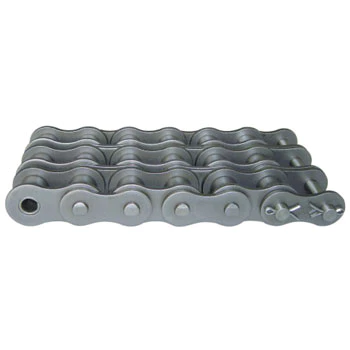
Can a drive chain be used in a chemical or petrochemical processing application?
Yes, a drive chain can be used in chemical or petrochemical processing applications where reliable power transmission is required. Here is a detailed explanation:
Chemical and petrochemical processing industries involve the handling, mixing, and processing of various substances, including corrosive chemicals, solvents, and hydrocarbons. Drive chains offer several advantages in these applications:
- Corrosion Resistance: Drive chains can be selected or specially designed with materials that offer corrosion resistance. Stainless steel, high-performance alloys, or coatings can be applied to the chain components to withstand the corrosive effects of chemicals and maintain chain integrity and performance.
- High Load Capacity: Chemical and petrochemical processing often involves heavy-duty operations and the movement of large loads. Drive chains are designed to handle high load capacities, providing reliable power transmission and withstanding the demanding conditions of these applications.
- Precise Control: Drive chains provide precise control over the movement of equipment and processes in chemical and petrochemical plants. The interlocking design of the chain and sprockets allows for accurate positioning, speed control, and synchronization of various components and machinery.
- Wide Operating Temperature Range: Drive chains can be engineered to operate in a wide temperature range, accommodating the temperature variations encountered in chemical and petrochemical processing. High-temperature materials or lubricants can be used to ensure optimal performance under extreme conditions.
- Resistance to Harsh Environments: Chemical and petrochemical processing environments may involve exposure to extreme temperatures, humidity, dust, and other harsh conditions. Drive chains are designed to withstand these environments, with features such as seals, specialized coatings, or materials that offer protection against contaminants and maintain reliable operation.
- Long Service Life: Drive chains, when properly selected, installed, and maintained, can provide long service life in chemical and petrochemical processing applications. Regular inspection, lubrication, and tension adjustment help optimize chain performance and minimize downtime due to chain failure.
When selecting a drive chain for chemical or petrochemical processing applications, factors such as corrosion resistance, load capacity, temperature range, speed requirements, and compatibility with industry regulations should be considered.
It is important to implement proper maintenance practices, including regular inspection, lubrication, and tension adjustment, to ensure the optimal performance and longevity of the drive chain in chemical and petrochemical processing applications.
By utilizing drive chains in chemical and petrochemical processing, operators can benefit from corrosion resistance, high load capacity, precise control, wide temperature range, resistance to harsh environments, long service life, and reliable power transmission, contributing to efficient and safe processing operations.
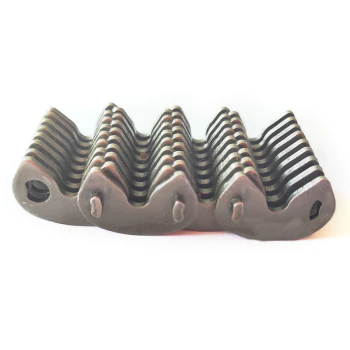
What are the specific guidelines for installing a drive chain?
Proper installation of a drive chain is crucial to ensure its optimal performance and longevity. Here are the specific guidelines for installing a drive chain:
- Inspect the new drive chain before installation. Check for any signs of damage or defects. Ensure that the chain meets the specifications and requirements of the application.
- Ensure the sprockets are in good condition and properly aligned. Check for worn teeth, damage, or misalignment. Replace or repair any faulty sprockets before installing the new chain.
- Clean the sprockets and chain path thoroughly. Remove any dirt, debris, or old lubricant that may affect the performance of the new chain.
- Measure and cut the new chain to the appropriate length. Use a chain breaker or a suitable cutting tool to ensure a clean and precise cut.
- Install the master link or connecting link according to the manufacturer’s instructions. Make sure it is securely fastened and properly seated.
- Place the new chain onto the sprockets. Ensure that the chain engages smoothly and evenly on the teeth of the sprockets.
- Check the chain tension. Follow the manufacturer’s guidelines for the recommended tension. Adjust the tension if necessary by adjusting the position of the rear wheel or using a tensioner mechanism, if available.
- Lubricate the chain with a suitable lubricant. Apply the lubricant evenly along the entire length of the chain. Avoid over-lubrication, as it can attract dirt and debris.
- Rotate the wheel or crank the engine to ensure that the chain moves smoothly and freely without any binding or excessive noise.
- Perform a final inspection to verify that the chain is properly installed, aligned, and tensioned. Check for any abnormal sounds, vibrations, or signs of chain slippage.
Following these specific guidelines for installing a drive chain will help ensure proper functionality, longevity, and optimal performance of the chain in the intended application.
Can a drive chain be repaired or does it need to be replaced?
When a drive chain is damaged or worn, the extent of the issue determines whether it can be repaired or needs to be replaced. Here are some considerations:
A drive chain can be repaired in certain situations:
- 1. Individual Component Replacement: If only a few links, rollers, or plates are damaged or worn, it is possible to replace those specific components. This approach is more common with roller chains that have removable pins or quick-connect links.
- 2. Chain Shortening: In some cases, a drive chain may become too long due to elongation. If the elongation is within an acceptable limit and the remaining chain is in good condition, the chain can be shortened by removing links and reconnecting the ends.
However, in many instances, a worn or damaged drive chain needs to be replaced entirely:
- 1. Excessive Wear: If the chain has elongated beyond the manufacturer’s recommended limit, shows widespread wear, or has significant damage to multiple components, it is best to replace the entire chain for optimal performance and safety.
- 2. Significant Damage: If the chain has suffered severe damage, such as breakage, deformation, or corrosion, it is generally safer and more practical to replace the chain rather than attempting repairs.
- 3. Maintenance Convenience: Drive chains require proper alignment, tension adjustment, and lubrication to function optimally. If the chain has been in use for a long time or requires frequent repairs, replacing it with a new chain may be more convenient and cost-effective in the long run.
It is important to assess the extent of the damage, consult the manufacturer’s guidelines, and consider the cost, time, and safety implications before deciding whether to repair or replace a drive chain.


editor by CX 2024-04-08