Product Description
MODEL NO.: A2040,A2050,A2060,A2080,A21, HangZhou, China.
Branch: Yingbin Rd., HangZhou, HangZhou, ZHangZhoug, China
Web: xmpower
| Standard or Nonstandard: | Standard |
|---|---|
| Application: | Textile Machinery, Conveyer Equipment, Packaging Machinery |
| Surface Treatment: | Polishing |
| Samples: |
US$ 0/Foot
1 Foot(Min.Order) | Order Sample |
|---|
| Customization: |
Available
| Customized Request |
|---|
.shipping-cost-tm .tm-status-off{background: none;padding:0;color: #1470cc}
|
Shipping Cost:
Estimated freight per unit. |
about shipping cost and estimated delivery time. |
|---|
| Payment Method: |
|
|---|---|
|
Initial Payment Full Payment |
| Currency: | US$ |
|---|
| Return&refunds: | You can apply for a refund up to 30 days after receipt of the products. |
|---|
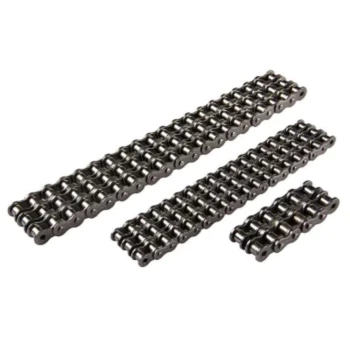
Can a drive chain be used in a material handling or warehouse automation system?
Yes, a drive chain can be used in material handling and warehouse automation systems where reliable and efficient power transmission is required. Here is a detailed explanation:
In material handling and warehouse automation systems, various types of equipment and conveyors are used to move, lift, and transport goods and materials. Drive chains offer several advantages in these applications:
- High Load Capacity: Drive chains are known for their high load-carrying capacity, making them suitable for handling heavy loads in material handling and warehouse automation. They can effectively transmit power to drive mechanisms involved in lifting, conveying, and positioning materials.
- Precise Power Transmission: Drive chains provide precise power transmission, ensuring accurate and synchronized movement of the conveyor systems and equipment. This allows for reliable and efficient material handling processes, precise positioning, and synchronized operation in automated systems.
- Durability and Reliability: Material handling and warehouse environments can be demanding, with continuous operation, heavy loads, and variable conditions. Drive chains are designed to withstand these challenging environments, providing durability, resistance to wear, and long service life, even in high-demand applications.
- Flexibility and Adaptability: Drive chains offer flexibility and adaptability in designing and configuring material handling and warehouse automation systems. They can be easily integrated into different conveyor types, such as roller conveyors, chain conveyors, or overhead conveyors, allowing for smooth and efficient material flow within the warehouse or production facility.
- Compatibility with Auxiliary Components: Drive chains can be easily combined with auxiliary components commonly used in material handling systems, such as tensioners, guides, sprockets, and bearings. This ensures reliable and efficient power transmission throughout the entire system and facilitates easy maintenance and replacement when necessary.
- Cost-Effectiveness: Drive chains offer a cost-effective solution for power transmission in material handling and warehouse automation systems. They have a long service life, reduced maintenance requirements, and lower replacement costs compared to some alternative power transmission systems.
It is important to consider the specific requirements of the material handling or warehouse automation system when selecting a drive chain. Factors such as load capacity, speed, environmental conditions, and maintenance considerations should be taken into account.
Regular maintenance, including inspection, lubrication, and tension adjustment, is crucial to ensure optimal performance and longevity of the drive chain in material handling and warehouse automation applications.
By utilizing drive chains in material handling and warehouse automation systems, operators can benefit from high load capacity, precise power transmission, durability, adaptability, and cost-effectiveness, contributing to efficient and reliable material handling processes and warehouse operations.
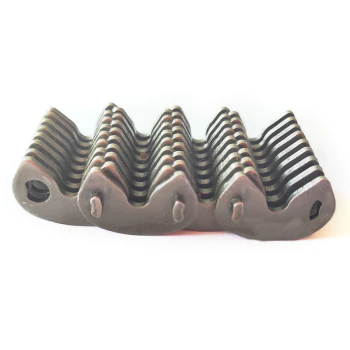
What are the specific guidelines for installing a drive chain?
Proper installation of a drive chain is crucial to ensure its optimal performance and longevity. Here are the specific guidelines for installing a drive chain:
- Inspect the new drive chain before installation. Check for any signs of damage or defects. Ensure that the chain meets the specifications and requirements of the application.
- Ensure the sprockets are in good condition and properly aligned. Check for worn teeth, damage, or misalignment. Replace or repair any faulty sprockets before installing the new chain.
- Clean the sprockets and chain path thoroughly. Remove any dirt, debris, or old lubricant that may affect the performance of the new chain.
- Measure and cut the new chain to the appropriate length. Use a chain breaker or a suitable cutting tool to ensure a clean and precise cut.
- Install the master link or connecting link according to the manufacturer’s instructions. Make sure it is securely fastened and properly seated.
- Place the new chain onto the sprockets. Ensure that the chain engages smoothly and evenly on the teeth of the sprockets.
- Check the chain tension. Follow the manufacturer’s guidelines for the recommended tension. Adjust the tension if necessary by adjusting the position of the rear wheel or using a tensioner mechanism, if available.
- Lubricate the chain with a suitable lubricant. Apply the lubricant evenly along the entire length of the chain. Avoid over-lubrication, as it can attract dirt and debris.
- Rotate the wheel or crank the engine to ensure that the chain moves smoothly and freely without any binding or excessive noise.
- Perform a final inspection to verify that the chain is properly installed, aligned, and tensioned. Check for any abnormal sounds, vibrations, or signs of chain slippage.
Following these specific guidelines for installing a drive chain will help ensure proper functionality, longevity, and optimal performance of the chain in the intended application.
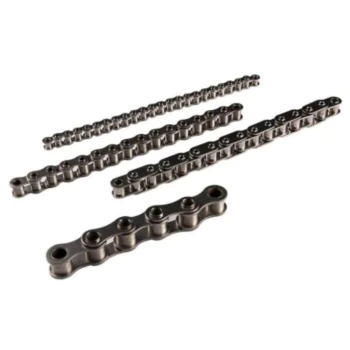
How do you inspect and maintain a drive chain?
To inspect and maintain a drive chain, follow these steps:
- Regularly inspect the chain for signs of wear, damage, or elongation. Look for worn-out links, damaged rollers or plates, and signs of corrosion.
- Clean the chain to remove dirt, debris, and any built-up lubricant. Use a suitable cleaning agent and a brush to carefully clean the chain, and ensure it is thoroughly dried before lubrication.
- Check the tension of the chain to ensure it falls within the manufacturer’s specified range. Adjust the tension if necessary, following the manufacturer’s guidelines.
- Inspect the alignment of the chain on the sprockets. Misalignment can cause uneven wear and decreased performance. Adjust the alignment if necessary, following the manufacturer’s instructions.
- Apply the recommended lubricant to the chain as per the manufacturer’s guidelines. Proper lubrication reduces friction, minimizes wear, and prevents corrosion.
- Periodically recheck the chain for any signs of wear, damage, or inadequate lubrication. Address any issues promptly through repairs or replacement of damaged components.
By following these inspection and maintenance practices, you can ensure that the drive chain remains in good condition, performs optimally, and has an extended service life.


editor by CX 2023-12-04