Product Description
| Item No.: | 5T051-68610 |
| Part Name: | Chain |
| Application: | Spare Parts for CZPT Combine Harvester DC68 and D70 |
| Industry Focus: | Agricultural |
| NOTE: | ALL PARTS LISTED ARE CZPT PARTS, AND ARE NOT MANUFACTURED BY THE ORIGINAL EQUIPMENT MANUFACTURER UNLESS OTHERWISE STATED. ORIGINAL EQUIPMENT NAMES, PART NUMBERS AND DESCRIP |
| Factory Add: |
Tiller Blade Plant : Xihu (West Lake) Dis.ng hardware industrial park, Xihu (West Lake) Dis. district, ZheJiang . Disc Blade Plant : HangZhou hi-tech development zone, HangZhou, ZheJiang . Iron Wheel Plant : Xihu (West Lake) Dis. Tongqin Town, HangZhou, zHangZhoug. Bolt and Nut Plant : Xihu (West Lake) Dis. industrial zone, HangZhou, zHangZhoug. |
| If you have any enquiry about quotation or cooperation, please feel free to email us, Our sales representative will contact you within 24 hours. Thank you for your interest in our products. | |
Why choose FarmDiscover for cooperation?
Comparing with our competitors, we have much more advantages as follows:
1.Since 2000 we have been exporting our parts and have rich experience in agriculture parts export.
2. More professional sales staffs to guarantee the better service.
3. Close to HangZhou/ZheJiang port, Reduce the transportation cost and time, ensure timely delivery.
4. Better quality to guarantee better Credit.
| Usage: | Transmission Chain, Conveyor Chain |
|---|---|
| Material: | Alloy |
| Surface Treatment: | Polishing |
| Structure: | Roller Chain |
| Color: | Solid Color |
| Item Type: | Combine Harvester Parts |
| Customization: |
Available
| Customized Request |
|---|
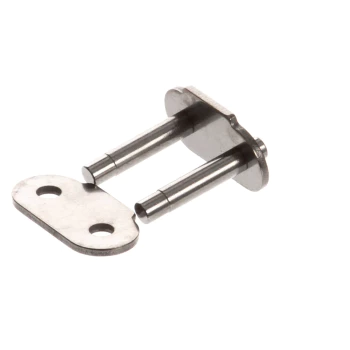
What are the benefits of using a drive chain with low maintenance requirements?
Using a drive chain with low maintenance requirements offers several benefits in industrial applications. Here is a detailed explanation:
- Reduced Downtime: A drive chain with low maintenance requirements minimizes the need for frequent inspections, lubrication, and adjustments. This reduces the downtime associated with maintenance activities, allowing for longer periods of uninterrupted operation and increased productivity.
- Cost Savings: With low maintenance requirements, there is a reduction in the labor, time, and cost associated with regular maintenance tasks such as lubrication, cleaning, and tension adjustments. Additionally, the longer intervals between maintenance cycles result in lower overall maintenance expenses.
- Increased Reliability: Drive chains with low maintenance requirements are designed to be highly reliable and durable. They are engineered to withstand the demands of continuous operation without frequent maintenance interventions. This enhances the reliability of the chain, reducing the risk of unexpected failures or breakdowns that can disrupt production processes.
- Extended Chain Life: Drive chains with low maintenance requirements often incorporate features such as self-lubricating capabilities, corrosion-resistant coatings, or sealed designs. These features help to protect the chain from wear, corrosion, and contaminants, extending its service life and reducing the frequency of chain replacements.
- Improved Safety: Low maintenance drive chains contribute to improved safety in the workplace. With reduced maintenance requirements, there is a decreased need for personnel to access or interact with the chain system, minimizing the risk of accidents or injuries associated with maintenance activities. Additionally, reliable chain performance resulting from low maintenance helps ensure the safe operation of machinery and equipment.
- Simplified Maintenance Routine: Drive chains with low maintenance requirements often have simplified maintenance routines. They may incorporate features such as easy-to-access lubrication points, quick-release pins, or self-adjusting mechanisms. These features simplify the maintenance process, making it more efficient and less time-consuming.
- Enhanced Operational Efficiency: A drive chain with low maintenance requirements allows for continuous operation with minimal interruptions for maintenance. This enhances overall operational efficiency, as production processes can run for longer periods without the need for frequent stops or maintenance-related downtime.
It is important to note that even drive chains with low maintenance requirements still require periodic inspections to ensure proper functioning and detect any signs of wear or damage. However, the intervals between maintenance tasks are extended compared to traditional drive chains, resulting in improved operational efficiency and cost savings.
By utilizing drive chains with low maintenance requirements, industrial operators can benefit from reduced downtime, cost savings, increased reliability, extended chain life, improved safety, simplified maintenance routines, and enhanced operational efficiency in their applications.
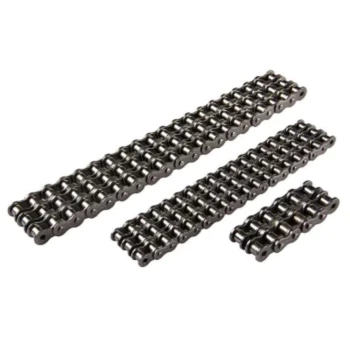
How does the weight of a drive chain affect its performance?
The weight of a drive chain can have some impact on its performance, although it is generally not a significant factor. Here is a detailed explanation:
The weight of a drive chain refers to the mass of the chain itself. While the weight of the chain may vary depending on its size, type, and material, it is typically not a critical consideration in most applications. Here are a few points to understand about the weight of a drive chain:
- Inertia: The weight of the drive chain contributes to its inertia, which is the resistance to changes in motion. In high-speed or dynamic applications, such as robotics or automation, excessive chain weight can increase inertia and potentially affect the responsiveness and precision of the system. However, the weight of the chain is usually relatively small compared to other components in the system, and the impact on performance is often minimal.
- Tension and Tensioning Mechanisms: The weight of the chain can influence the tensioning requirements and the design of tensioning mechanisms. Heavier chains may require stronger tensioning systems to maintain proper tension and prevent chain slack. It is essential to consider the weight of the chain when designing and implementing tensioning mechanisms to ensure optimal performance.
- Load Capacity: The weight of the chain itself does not significantly affect the load capacity or strength of the chain. The load capacity is determined by the chain’s design, material, and construction. Proper chain selection based on the specific application requirements is necessary to ensure sufficient load-carrying capacity.
- Installation and Handling: The weight of the chain can influence the ease of installation and handling, especially in larger or heavier chains. Proper lifting and handling equipment should be used to ensure safe installation and prevent injuries.
Overall, while the weight of a drive chain can have some minor influence on its performance in certain applications, it is typically not a critical factor. Factors such as chain design, material, lubrication, tension, and alignment have a more significant impact on the overall performance and reliability of the drive chain.
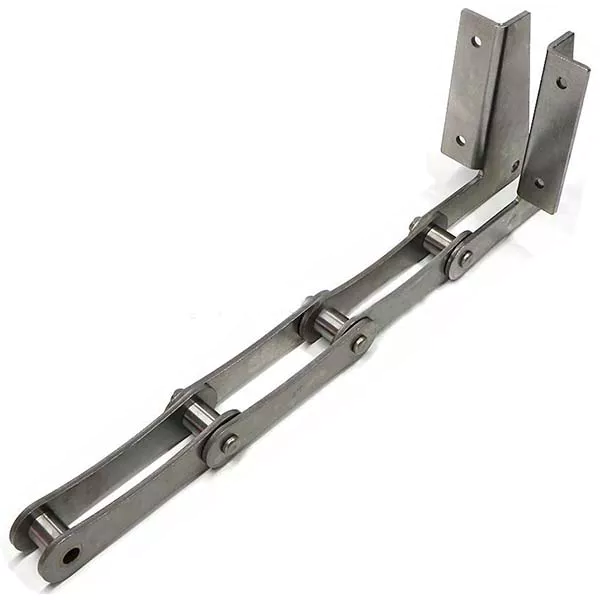
How do you choose the right drive chain for your application?
Choosing the right drive chain for your application requires careful consideration of various factors. Here are some key steps to help you make an informed decision:
- Identify the Application Requirements: Determine the specific requirements of your application, including the power transmission needs, operating speed, load capacity, environmental conditions, and any special considerations.
- Understand Chain Specifications: Familiarize yourself with the different specifications of drive chains, such as pitch size, roller diameter, plate thickness, and tensile strength. These specifications will directly impact the chain’s performance and compatibility with your application.
- Consider Chain Type: Evaluate the different types of drive chains available, such as roller chains, double pitch chains, leaf chains, silent chains, and engineered chains. Select the type that best suits your application’s requirements, considering factors like load capacity, speed, noise level, and specific industry standards.
- Evaluate Environmental Factors: Assess the environmental conditions in which the drive chain will operate. Consider factors like temperature, moisture, dust, chemicals, and potential exposure to corrosive substances. Choose a chain that can withstand these conditions without compromising performance or longevity.
- Consult Manufacturer Guidelines: Refer to the manufacturer’s guidelines and specifications for each drive chain option you are considering. Manufacturers often provide detailed information regarding performance capabilities, installation requirements, maintenance recommendations, and compatibility with specific applications.
- Consider Maintenance Requirements: Evaluate the maintenance needs of the drive chain, such as lubrication requirements, tension adjustment, and periodic inspection. Choose a chain that aligns with your maintenance capabilities and operational preferences.
- Seek Expert Advice: If you are unsure about which drive chain to choose, consider consulting with experts or professionals in the field. They can provide valuable insights and recommendations based on their experience and knowledge.
By carefully considering these factors and following a systematic approach, you can select the right drive chain that meets the requirements of your application, ensuring optimal performance, longevity, and reliability.


editor by CX 2023-08-14