Product Description
Drive transmission accessories of OEM conveyor chains
Features
1. Material: Stainless steel, aluminum and others etc.
2. Surface finish: per requirement
Other similar parts:
1,Our Business
cnc machining parts,cnc machining, cnc turning, customized bolt, nut, punch, plastic injection.
2,Typical Products Detailes
| Products | Main products 1: Inersts, Nuts, Ball Bolt,screw,nut,washer,pin,rivet and others etc. non-standard cold forming parts. |
| Main Products 2: Heat sink, heatsinks, aluminum extrusion heatsinks, cnc machining parts, customized cnc machined parts. | |
| Size | Non-standard according to drawing or samples. |
| Equipments&Test Equipments | Auto pressing machines,automatic heading machine,cold header high-precision, cnc turning machines, cnc vertical machining machines, surface grinder machine,involantary grinder machines,Digital Micro CZPT Hardness tester,Electrolytic metrical thickness gauge,Vision Measuring Machine,Fischer Scope X-ray Thickness Gauge and others. |
| Material | 1)Stainless Steel; 2)Alloy Steel; 3)Brass; 4)Bronze; 5)Iron; 6)Alloy Aluminum; 7)Carbon steel and others. |
| Surface Finishing | Zn-Plated,Ni-plated,Passivated,Tin-plated,Sandblast and Anodize,Chromate, Polish,Electro Painting,Black Anodize,Plain,Chrome plated,Hot Deep Galvanize(H.D.G.) and others etc. |
| Heat Treatment | Tempering,Hardening,Spheroidizing,Stress Relieving. |
| Standard | DIN,JIS,ANSI,BSW, ISO. |
| Samples | Free samples accepted. |
| Lead time | 10-15 working days as usual,It will based on the detailed order quantity. |
| Warranty | We confirm our goods will satisfy your request of 100%, and in case any issue happened, we would provide our fast response,investigate root cause, provide our action plan quickly, and solve the problem to your satisfaction. |
| After sales service | We will follow up goods for every customer and provide after-sales service. |
3, Samples of typical CNC maching products
4,Factory
| Usage: | Transmission Chain, Conveyor Chain |
|---|---|
| Material: | Stainless steel |
| Surface Treatment: | Polishing |
| Chain Size: | OEM |
| Structure: | Combined Chain |
| Color: | Solid Color |
| Samples: |
US$ 1/Piece
1 Piece(Min.Order) | |
|---|
| Customization: |
Available
| Customized Request |
|---|
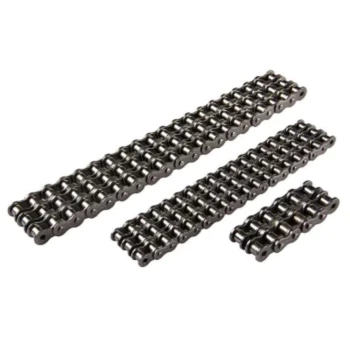
Can a drive chain be used in a material handling or warehouse automation system?
Yes, a drive chain can be used in material handling and warehouse automation systems where reliable and efficient power transmission is required. Here is a detailed explanation:
In material handling and warehouse automation systems, various types of equipment and conveyors are used to move, lift, and transport goods and materials. Drive chains offer several advantages in these applications:
- High Load Capacity: Drive chains are known for their high load-carrying capacity, making them suitable for handling heavy loads in material handling and warehouse automation. They can effectively transmit power to drive mechanisms involved in lifting, conveying, and positioning materials.
- Precise Power Transmission: Drive chains provide precise power transmission, ensuring accurate and synchronized movement of the conveyor systems and equipment. This allows for reliable and efficient material handling processes, precise positioning, and synchronized operation in automated systems.
- Durability and Reliability: Material handling and warehouse environments can be demanding, with continuous operation, heavy loads, and variable conditions. Drive chains are designed to withstand these challenging environments, providing durability, resistance to wear, and long service life, even in high-demand applications.
- Flexibility and Adaptability: Drive chains offer flexibility and adaptability in designing and configuring material handling and warehouse automation systems. They can be easily integrated into different conveyor types, such as roller conveyors, chain conveyors, or overhead conveyors, allowing for smooth and efficient material flow within the warehouse or production facility.
- Compatibility with Auxiliary Components: Drive chains can be easily combined with auxiliary components commonly used in material handling systems, such as tensioners, guides, sprockets, and bearings. This ensures reliable and efficient power transmission throughout the entire system and facilitates easy maintenance and replacement when necessary.
- Cost-Effectiveness: Drive chains offer a cost-effective solution for power transmission in material handling and warehouse automation systems. They have a long service life, reduced maintenance requirements, and lower replacement costs compared to some alternative power transmission systems.
It is important to consider the specific requirements of the material handling or warehouse automation system when selecting a drive chain. Factors such as load capacity, speed, environmental conditions, and maintenance considerations should be taken into account.
Regular maintenance, including inspection, lubrication, and tension adjustment, is crucial to ensure optimal performance and longevity of the drive chain in material handling and warehouse automation applications.
By utilizing drive chains in material handling and warehouse automation systems, operators can benefit from high load capacity, precise power transmission, durability, adaptability, and cost-effectiveness, contributing to efficient and reliable material handling processes and warehouse operations.
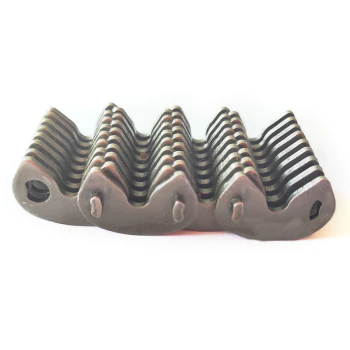
How does the elongation of a drive chain affect its performance?
The elongation of a drive chain can have a significant impact on its performance and overall operation. Here is a detailed explanation:
Drive chains are subject to wear and elongation over time due to factors such as load, speed, tension, lubrication, and maintenance. Elongation refers to the increase in the chain’s pitch length, which can lead to several performance-related issues:
- Loss of Tension: As a chain elongates, it loses tension and becomes slack. This results in a loss of power transmission efficiency and can lead to skipping or jumping of the chain on the sprockets. A slack chain may also cause a loss of accuracy and synchronization in driven systems.
- Poor Performance: Elongation can affect the overall performance of the drive system. It can lead to increased backlash, reduced precision, and the potential for chain derailment or disengagement from the sprockets. These issues can result in decreased efficiency, unreliable operation, and increased risk of damage to the chain or other components.
- Increased Wear: Elongation causes increased wear between the chain links, pins, and bushings. This wear can accelerate the elongation process and further decrease the chain’s performance and service life. It can also lead to increased friction, heat generation, and the potential for chain failure if not addressed promptly.
- Reduced Load-Carrying Capacity: Elongation reduces the effective pitch length of the chain, resulting in a decreased load-carrying capacity. This can limit the chain’s ability to handle heavy loads, potentially leading to premature failure or inadequate performance in applications where high loads are involved.
- Increased Noise and Vibration: Elongation can cause increased noise and vibration during chain operation. The slack chain may produce rattling or banging sounds, and the vibration can negatively affect the overall system performance and operator comfort.
Regular inspection and maintenance are essential to monitor chain elongation and address it promptly. Measuring elongation using specialized tools and following the manufacturer’s recommended elongation limits can help determine when a chain requires replacement or adjustment.
Proper chain tension, lubrication, and regular maintenance practices, including periodic tension adjustment and lubrication replenishment, can help minimize elongation and ensure optimal chain performance. It is important to follow the manufacturer’s guidelines and consult with experts or technicians to establish appropriate maintenance schedules and procedures for the specific drive chain and application.
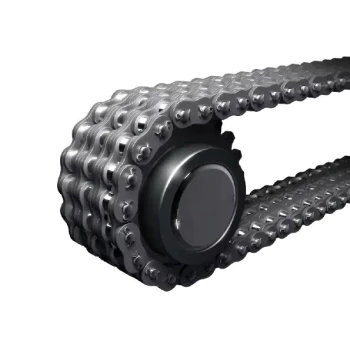
What are the load capacities of different drive chains?
The load capacity of a drive chain depends on various factors, including the type of chain, its size, design, and material. Here is a general overview of the load capacities for different drive chains:
- 1. Roller Chains: Roller chains are commonly used and have a wide range of load capacities. The load capacity can vary based on the chain’s pitch size, roller diameter, and the material used. Standard roller chains can handle loads ranging from a few hundred pounds to several thousand pounds.
- 2. Double Pitch Chains: Double pitch chains typically have a larger pitch, resulting in increased spacing between the chain links. They are often used in applications with lighter loads and slower speeds compared to standard roller chains.
- 3. Leaf Chains: Leaf chains are known for their high tensile strength and are commonly used in heavy-duty applications that require lifting or load-bearing. They have excellent load-carrying capabilities and can handle loads ranging from several thousand pounds to tens of thousands of pounds.
- 4. Silent Chains: Silent chains, also known as inverted-tooth chains, are used in high-speed applications that require high-load capacity and precise synchronization. They have robust load-carrying capabilities and can handle significant loads while operating smoothly.
- 5. Engineered Chains: Engineered chains, such as drive chains, plastic chains, or self-lubricating chains, may have varying load capacities depending on their design and intended applications. These chains are often designed to meet specific load requirements in specialized industries.
It’s important to note that load capacities can vary within each chain type based on specific configurations and manufacturer specifications. When selecting a drive chain for a particular application, it is crucial to consider the expected load requirements and consult the manufacturer’s guidelines and specifications to ensure that the chosen chain is suitable for the intended load capacity.


editor by CX 2023-08-07